
If you can’t find exactly what you’re searching for please get in touch with us at: info@menaiforum.org
Impact Report
State of Our Rivers Report 2026
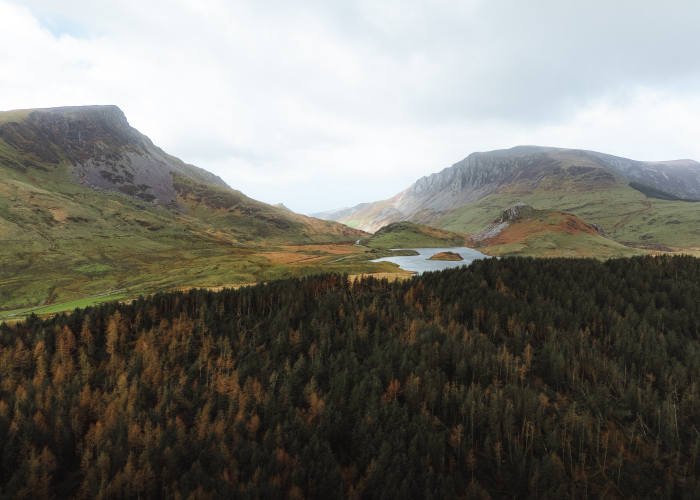
New report highlights the challenges facing our rivers
The Rivers Trust’s State of Our Rivers report brings together data, interactive maps and case studies to explore the pressures facing rivers across the UK and Ireland. The key message is on helping communities understand what is happening in their local waterways and where action is needed.
With an evocative introduction by Robert Macfarlane (author of ‘Is a River Alive?’) This report is a call to action for our rivers.
Pressures on our Rivers
- 56% of Welsh rivers failed to meet good ecological standards under the Water Framework Directive classifications.
- Raw sewage was discharged into Welsh rivers for 777,545 hours, a total of 94,974 times in 2025.
- Pressure on ecosystems is coming from multiple sources: Sewage discharges, agricultural run-off, excess nutrients, misconnections, chemicals and plastics.
- Climate change is increasing the problems faced by our rivers. More extreme rainfall and flooding can wash pollutants into rivers, while prolonged dry spells can reduce river flows and put additional stress on wildlife and habitats.

What does this mean for the Menai Strait?
The health of our rivers is closely connected to the health of our coastal waters. Rivers carry water, nutrients and other materials from across their catchments into the Strait, meaning that what happens inland has consequences for marine habitats, wildlife and the communities who live and work here.
Understanding these connections is an important part of protecting the Menai Strait for the future. Through partnership working, shared evidence and community-led monitoring, the Menai Strait Partnership Forum is working to build a clearer picture of the pressures affecting the Strait and identify opportunities to create a more resilient environment for both people and nature.
How can we protect our rivers for the future?
Nature-based solutions
When targeted appropriately, these approaches allow catchments to manage flow rates and retain water efficiently—curbing nutrient and pollutant runoff, lowering flash flooding risks, and sustaining water supply through dry periods. Examples of such solutions comprise:
- Reconnecting floodplains
- Planting trees
- Re-meandering river channels
- Creating wetlands
- Establishing vegetated riparian buffer zones
- Dismantling obstacles to restore river connectivity
Reducing Water usage
Reducing water use and abstraction is essential to protecting rivers from worsening scarcity. Alongside action at home, water companies and industry must urgently repair leaking infrastructure, increase storage and invest in nature-based solutions. Water-intensive sectors, including data centres and food and drink production, must also manage demand responsibly, particularly in already water-stressed areas.

At home: Individual Actions What you can do for rivers
The report gives a number of examples individuals do at home, ranging from simple product swaps to embracing impactful habits, that can contribute to changing the future for our rivers.
- Reduce your water footprint: conserve household water, collect rain/greywater, and choose lower-impact foods.
- Reduce your pollution footprint: return unused medicines to pharmacies, cut plastic and chemical use, use eco-friendly cleaners, take public transit, and select organic food.
- Flush only the ‘3 Ps’ (pee, poo, paper) to prevent sewer blockages and river pollution.
- Support river restoration, engage others or look out for citizen science opportunities
- Follow ‘Check, clean, dry’ for watercraft and gear to avoid spreading invasive species or pollutants.
- Write to your MS or MP to raise your concerns and ask for action.

Explore the report
If our rivers aren’t fit for the future, neither are we


